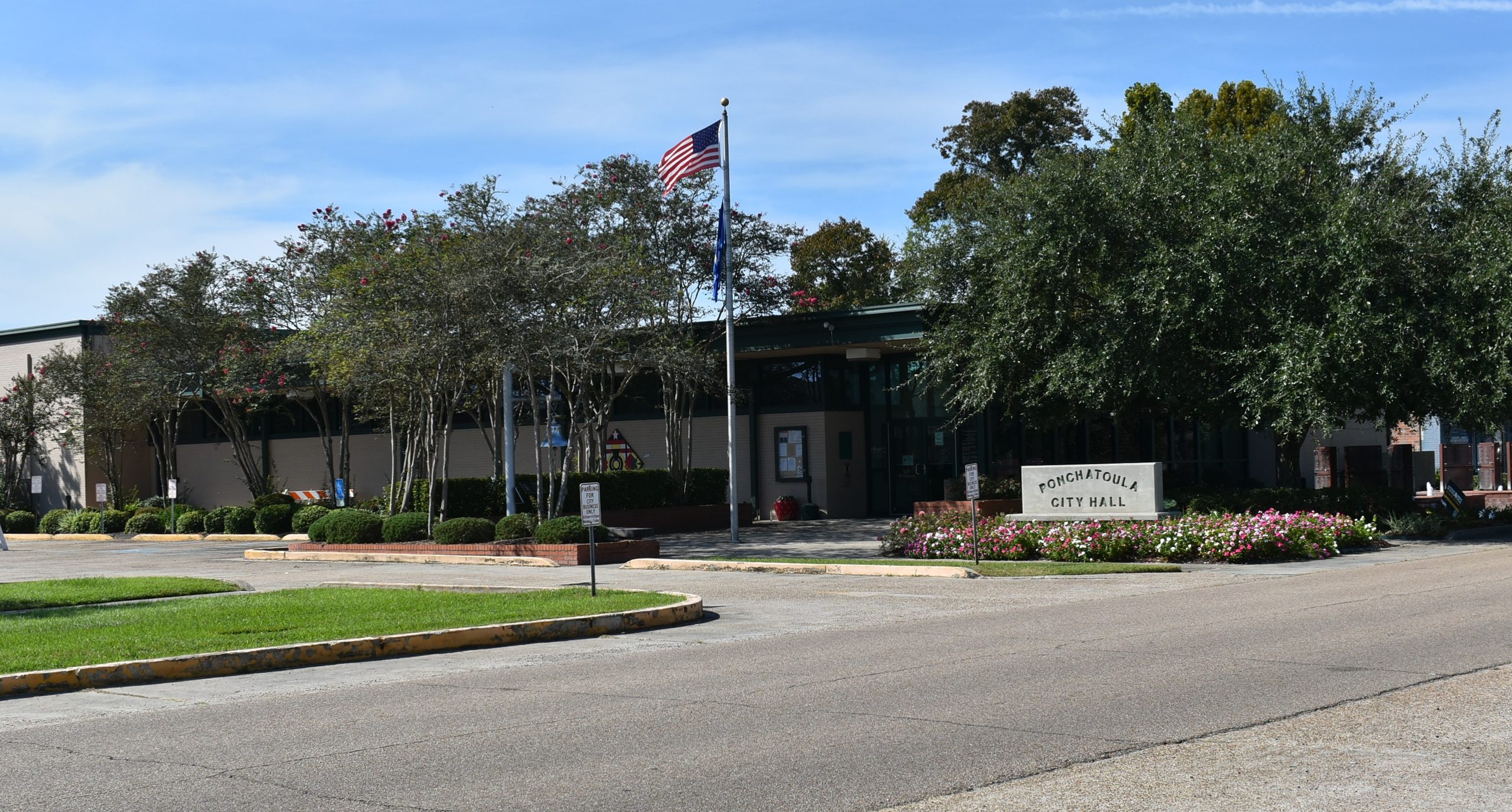
Ponchatoula is a Choctaw name meaning falling or flowing hair, which was the Indian description of the fungus we call Spanish Moss. William Akers built a house along the Old Spanish Trail in 1832. When the railroad was commissioned, a small village began to grow as the work crews building over the swamps to the south needed a base camp.Eventually sawmills were built to harvest the abundant pine and cypress forests nearby. Strawberry and truck farms provide another basic industry to the area. The original Ponchatoula, La. railroad depot is built by the New Orleans, Jackson & Great Northern Railroad (later Illinois Central). The depot is burned when Union forces captured town in March 1863. Rebuilt c. 1865. Present depot built in 1894 & remodeled in the 1920s.
Ponchatoula City Hall
125 West Hickory Street, Ponchatoula, LA 70454
985 386-6484
Gallery
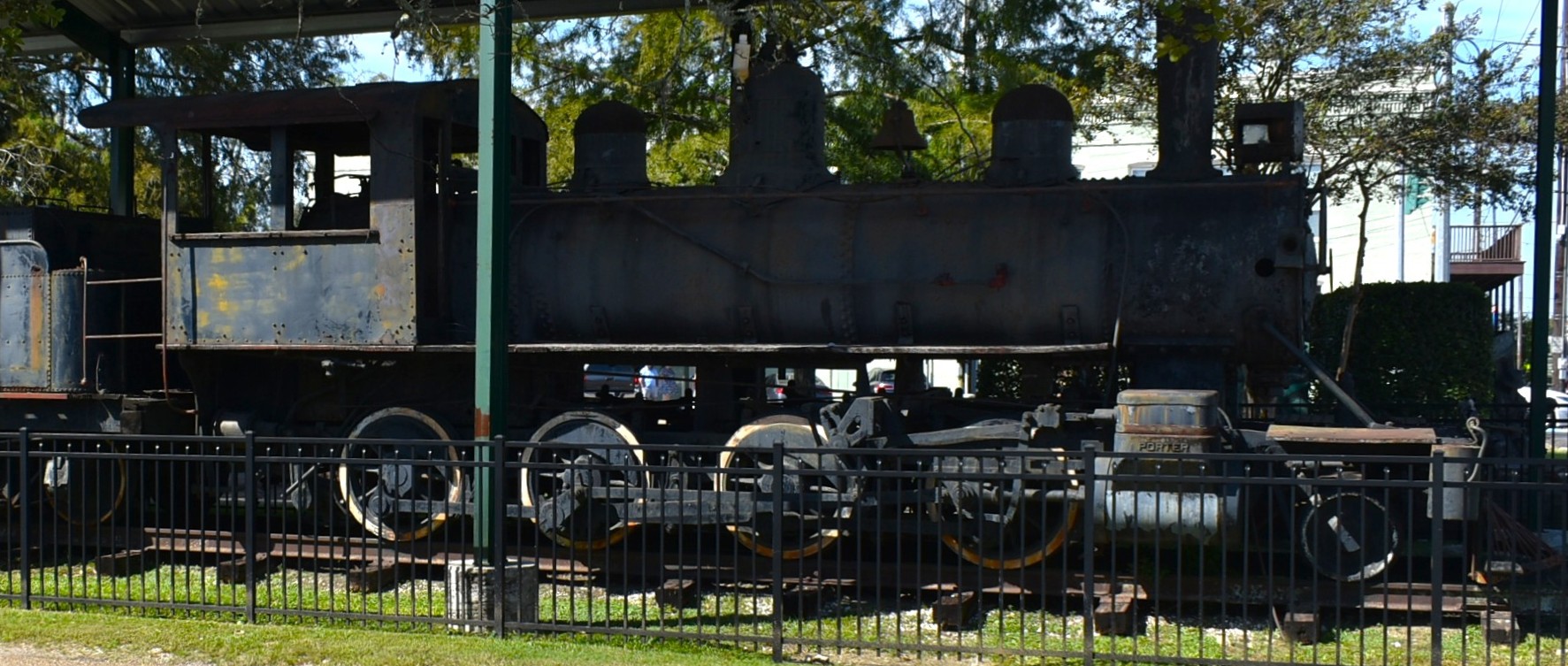
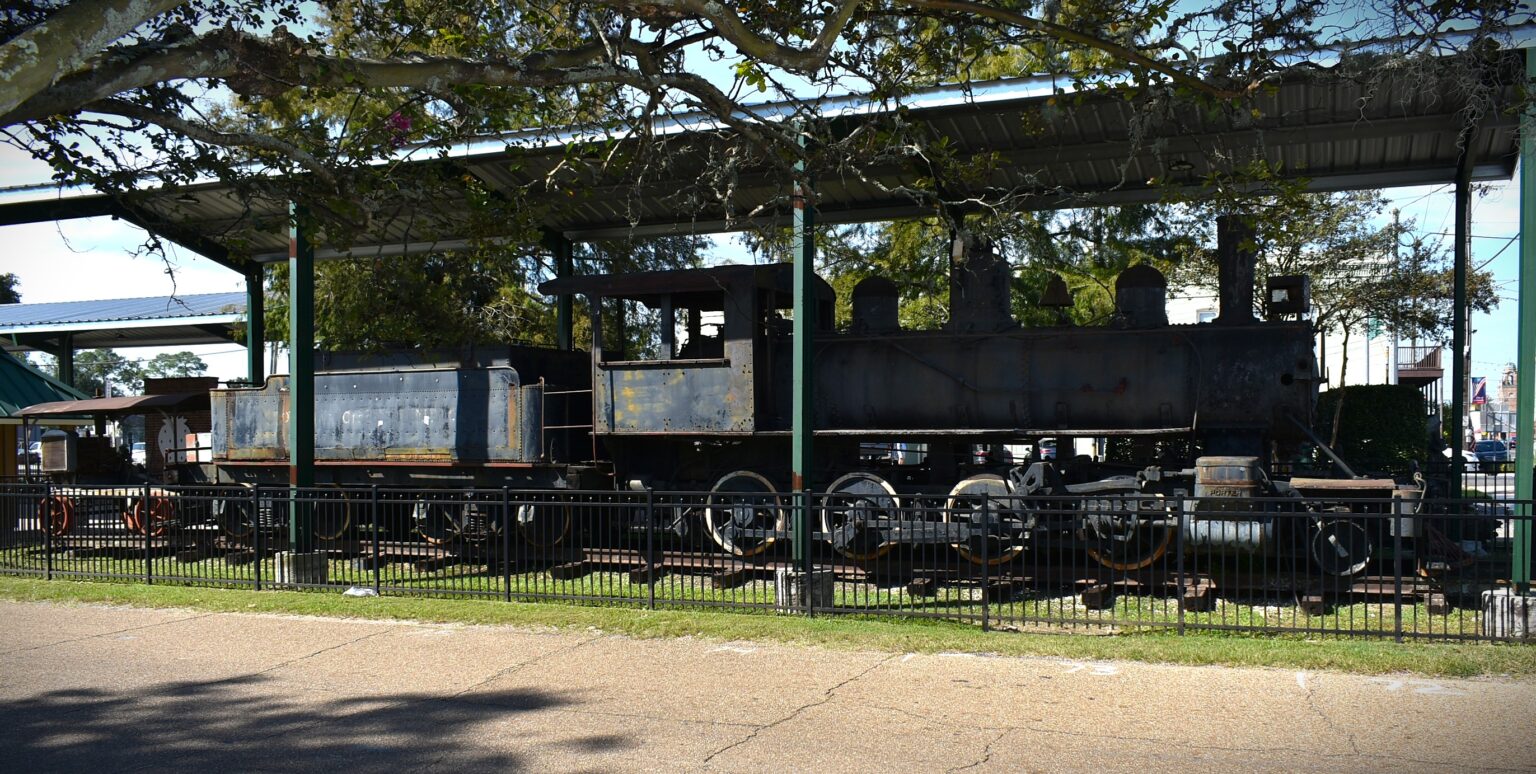
1914 steam locomotive and tender located next to the Collinswood Museum Engine Number 3 is a 1914 Porter locomotive built to help haul cypress logs during the area’s massive 1921 lumber boom. The engine was retired and taken out of service around 1940, eventually serving as a roadside billboard for the Louisiana Cypress Lumber Company. The Collinswood Museum acquired the historic engine and placed it under a protective pavilion downtown to shield it from weather.
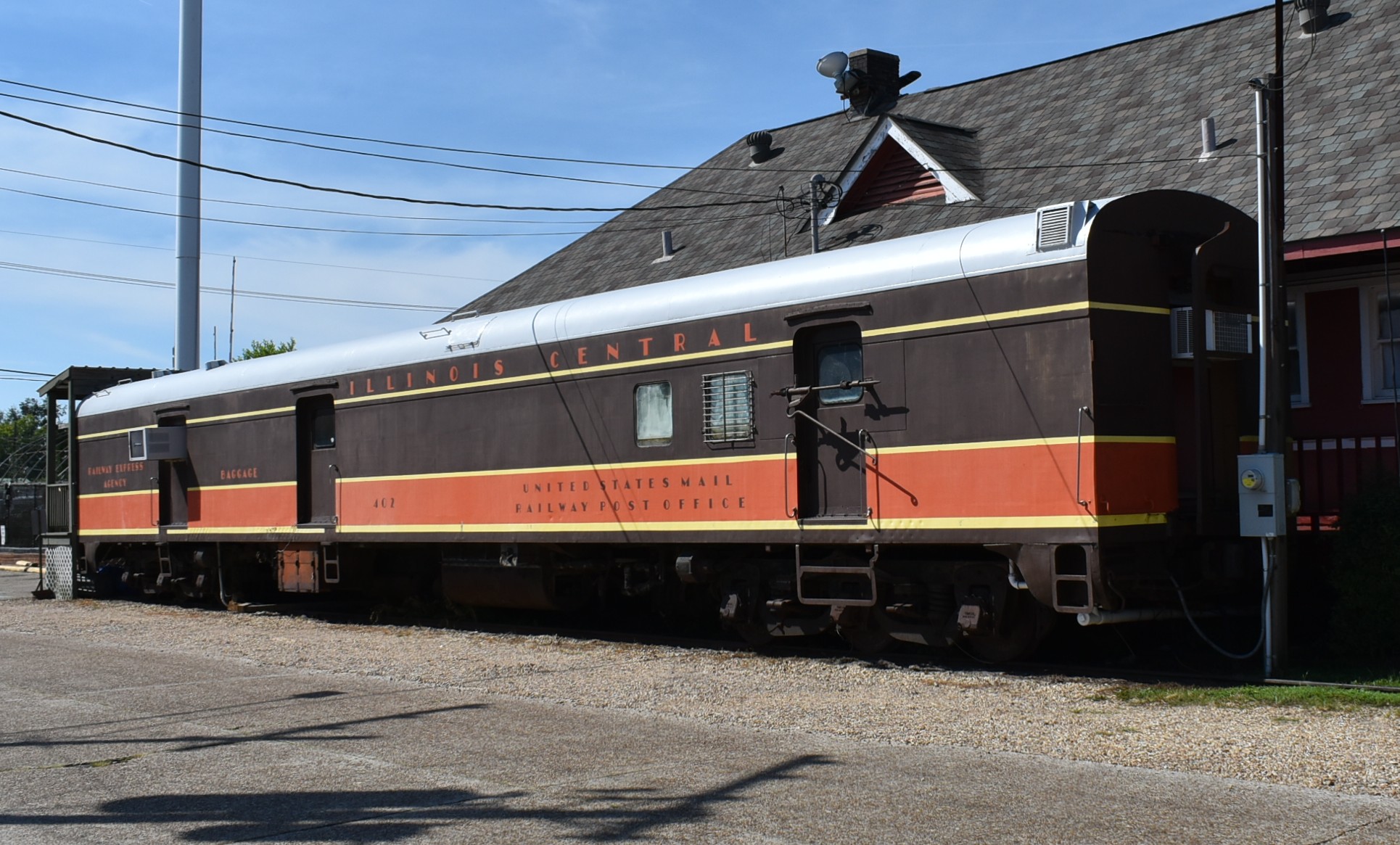
Another notable train landmark nearby is the Ponchatoula Country Market, housed in an authentic 1895 historic train depot. The 1912 Mail Car: Sitting directly next to the depot is an authentic railway mail car built in 1912. Over the years, this car has been integrated into the market’s community layout and has even been used as rented booth space for local shop vendors.
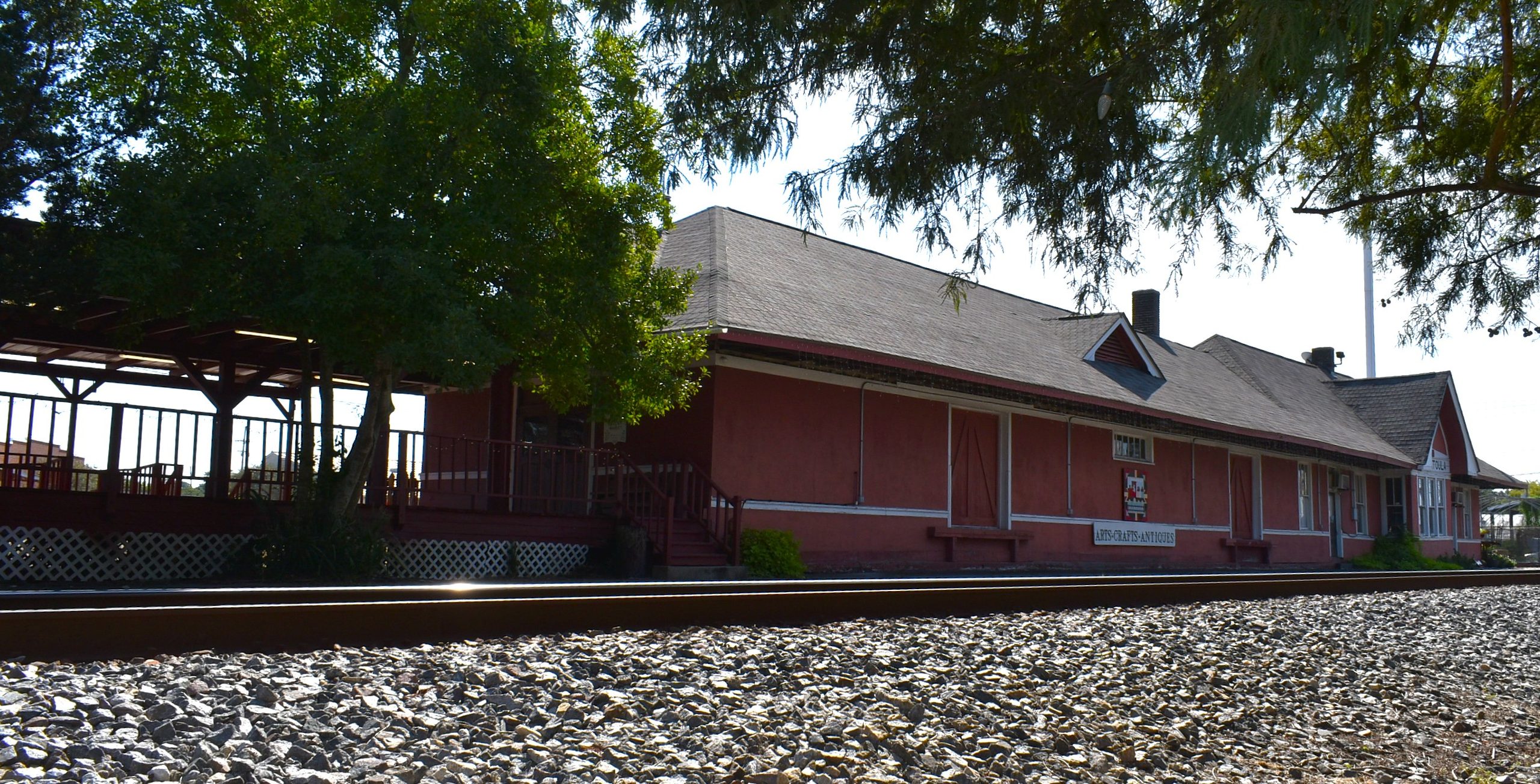
1895 Train Depot in Ponchatoula is a cornerstore landmark of the city’s identity, representing its survival and transformation over the last 170+ years.
The first depot was erected in 1854 by the New Orleans, Jackson & Great Northern Railroad. It established Ponchatoula as a vital shipping hub for lumber, charcoal, and agricultural goods. In March 1863, during the American Civil War, Union forces captured the town and burned the original depot to the ground, alongside local road and rail bridges. A temporary replacement was built around 1865. However, as the local economy fully bounced back at the turn of the century, the city erected the present-day depot building in 1895. It was later remodeled in 1920 to keep up with growing commercial demands.
At its peak as an active station, this humble wooden building was responsible for sending thousands of flats of strawberries all over the United States. This massive distribution boom put Ponchatoula on the map, earning it the title of “Strawberry Capital of the World”—a heritage the town still honors with its massive annual festival
By the mid-20th century, modern shipping left the old wooden station abandoned. Rather than letting it face demolition, a dedicated community effort led by local citizens stepped in to restore the structure. On July 5, 1973, they officially reopened the historic building as the Ponchatoula Country Market. Operated by a non-profit organization, the depot now houses 30 artisan and antique booths. It is also famous for hosting a resident alligator named Old Hardhide right on the property!
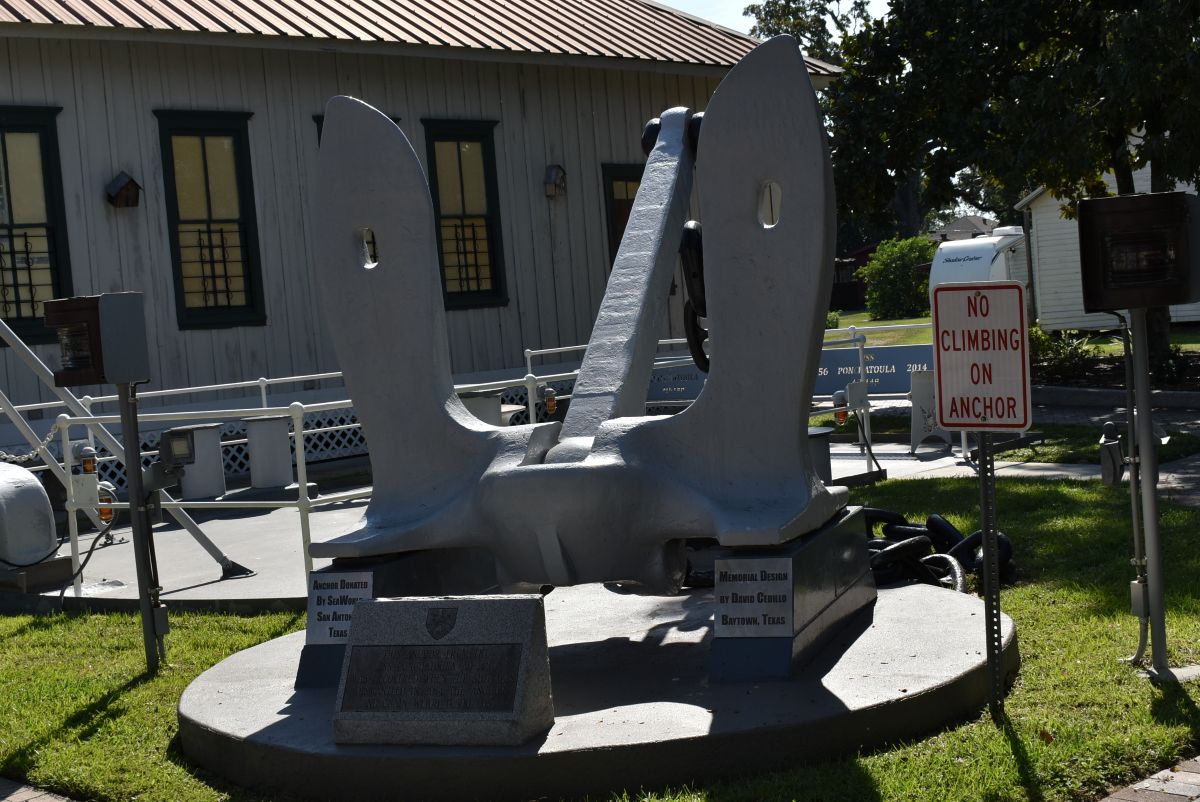
Anchor from the USS Ponchatoula AO-148. Recovered when the ship was dismantled in 2014. The anchor and chain weigh 11,300 lbs. Today the anchor sets outside the Collinswood Museum in downtown Ponchatoula.